Systems Integration Engineering

Systems Integration Engineering

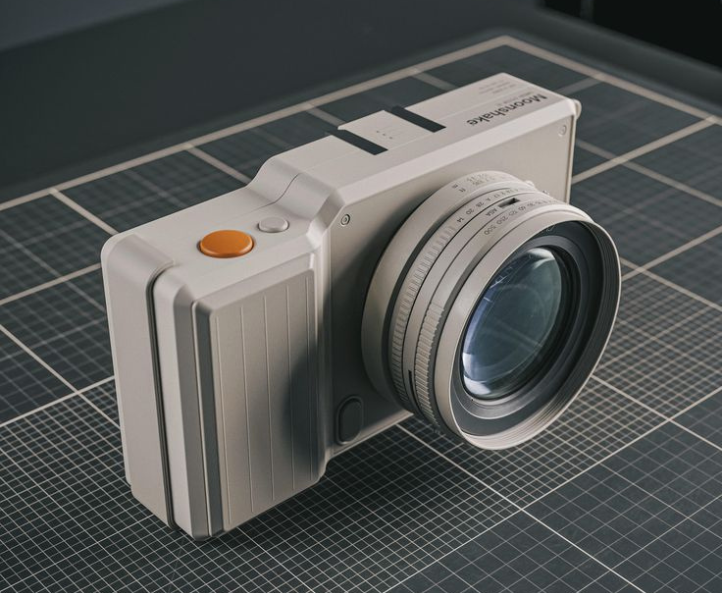
Systems integration engineering focuses on bringing together mechanical, electrical, electronic, and software subsystems into a unified, functional film production product. Our work ensures that independently designed components operate reliably as a single cohesive system under real-world production conditions. This includes defining system architecture, managing interfaces between subsystems, validating compatibility, and producing integration-level technical documentation. We address power distribution, communication protocols, control logic, mechanical fit, and operational workflows to ensure seamless interaction across all parts of the equipment. The goal is to reduce system-level risk, improve reliability, and ensure predictable performance throughout complex production environments.
offer image

Mechanical and Electrical Integration

Applied in camera rigs, motion systems, and support equipment where physical structures must house and support electrical components. This involves aligning mechanical layouts with PCB placement, wiring routes, connectors, and thermal constraints to ensure fit, serviceability, and reliable operation under vibration and load conditions.

Control System Integration

Used in motion-control rigs, stabilization systems, and automated equipment. This focuses on integrating embedded controllers, sensors, and actuators with mechanical systems. Engineering ensures synchronized operation, stable feedback loops, deterministic response, and safe behavior across all connected subsystems during dynamic use.

Power and Signal Integration

Applied across all powered production equipment, including cameras, lighting systems, and accessories. This includes combining power distribution networks with data and control signal routing. Design ensures electrical compatibility, signal integrity, grounding strategy, noise reduction, and safe operation across interconnected devices.

Workflow and Ecosystem Integration

Used in complete production environments where equipment must interact with external systems such as monitoring tools, remote control units, and studio infrastructure. This ensures compatibility with production workflows, consistent user experience, and reliable interoperability between multiple manufacturers and system types.